Monday, December 8, 2008

Suicide and depression


If a person with depression does not seek treatment, they may have a possible risk of committing suicide. It is not uncommon for a depressed individual to experience thoughts of suicide. Many times, if a person is severily depressed, they do not have the energy to commit suicide. It is when a person's depression is lifted that they are more likely to harm themselves. It is serious when a person is having these suicidal thoughts and they should consult help immediately. If you know someone that is experiencing these thoughts, make sure that you help them and don't avoid the situation. Take the threat seriously and don't underestimate what a person is capable of. Symptoms of suicide are threats of talking about killing oneself, preparing for death, talking like there is no hope for the future, and acting and talking like no one else cares. Up to 15% of people who are clinically depressed die of suicide.

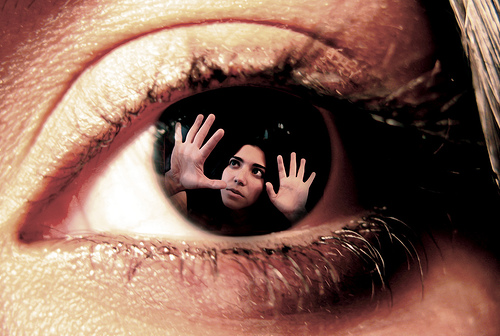
Signs of Depression


There are many symptoms of depression. A person's whole lifestyle could change if they are experiencing depression. Persistent sad, anxious or "empty" feelings and feelings of hopelessness and pessimism are signs to look for in a depressed person. Feelings of guilt, worthlessness and helplessness, irritability, and restlessness go hand in hand with depression. If you know someone that suddenly shows a loss of interest in activities or hobbies once pleasurable, they could be depressed. More symptoms of depression are fatigue and decreased energy, difficulty concentrating, remembering details and making decisions, insomnia, early–morning wakefulness, or excessive sleeping. Overeating, or sudden appetite loss is also a symptom of depression. If a person has thoughts of suicide, or attempts at taking their own life, they have severe depression and they need to get help. Persistent aches or pains, headaches, cramps or digestive problems that do not ease even with treatment are also symptoms of depression. Different people experience different symptoms for depression depending on how severe their condition is. It can vary from person to person which symptoms are present.

What is depression?


Depression is a mental state characterized by a pessimistic sense of inadequacy and a despondent lack of activity. It is not when a person is just feeling sad or blue, because everyone does every once in a while. It is a serious condition when a person has these feelings all the time and it interferes with their daily lives. Many people with a serious condition of depression do not seek help when it could really benefit them. There are many different forms of depression. Major depressive disorder disables a person from functioning normally with their everyday life. Dysthymic disorder is a long term form of depression, but it has less serious symptoms than major depressive disorder. Psychotic depression is when a person with a serious depressive disorder experiences hallucinations, delusions, and a break with reality. Postpartum depression occurs when a new mother has a major depressive period one month after delivery of her child. Seasonal affective disorder occurs during the winter months when there is less natural sunlight. Normally, this disorder lifts during the spring and summer when there is more sunlight present. As you can see, there are many different types of depression to be treated.